Tribal Governments and Federal Tax Uncertainty
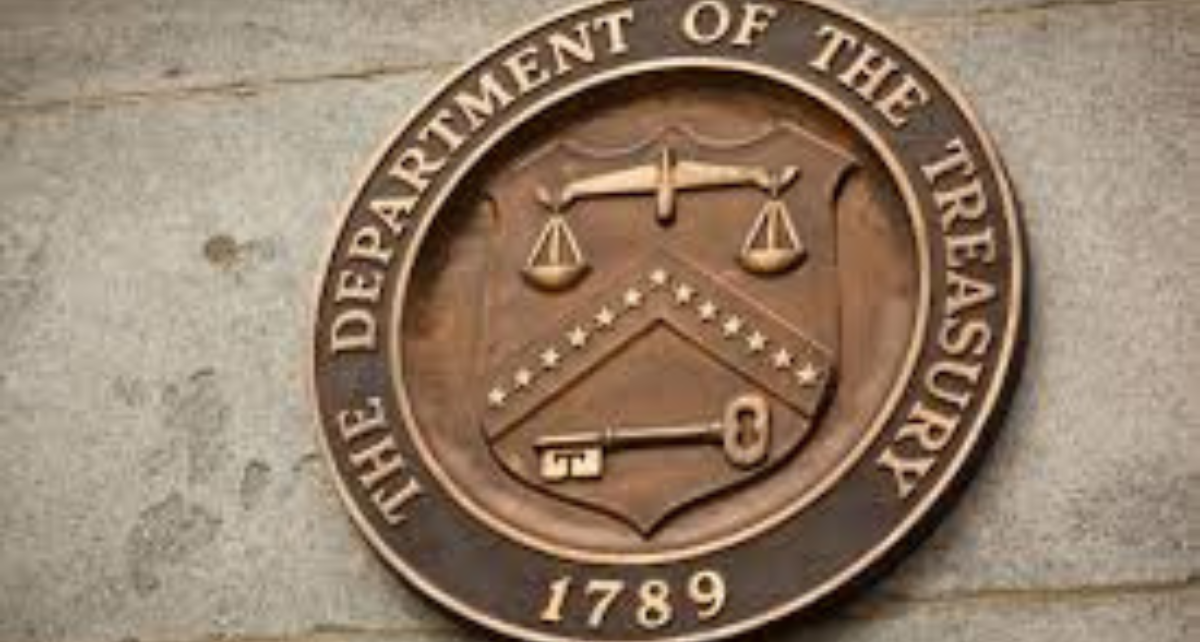
For three decades, tribal governments have urged the U.S. Treasury and IRS to recognize their authority over tax matters, citing their role as sovereign governments running modern economies. This week, the Treasury finally responded with two landmark regulations providing the long-awaited tax clarity.
Despite Congress recognizing tribes as governments in 1982 and clarifying their authority to offer tax-free general welfare benefits in 2014, tribes faced decades of regulatory uncertainty. The issue was not disagreement, but lack of execution.
Decades of Uncertainty and Its Costs
Without clear rules, tribes operated in a fog of ambiguity:
-
Over-documenting benefits like housing, scholarships, and emergency aid
-
Delaying development projects due to tax concerns
-
Structuring business deals defensively
-
Higher borrowing costs, as lenders factored in tax risk
The IRS culture, designed for uniform rules, clashed with tribal sovereignty, leaving tribes subject to case-by-case audits instead of a clear regulatory framework.
The Role of Tribal Advisory Committees
Change began in 2019 with the creation of the Treasury Tribal Advisory Committee (TTAC).
TTAC provided:
-
A standing forum for tribal consultation
-
A system ensuring Treasury and IRS accountability
-
Documentation of economic costs caused by regulatory ambiguity
Marilynn “Many Hearts” Malerba, lifetime chief of the Mohegan Tribe and former U.S. Treasurer, highlighted continuity as key: “Without a standing institution, no one was responsible for carrying this work forward year after year.”
Treasury’s Office of Tribal and Native Affairs
Led by Fatima Abbas, an enrolled citizen of the Haliwa Saponi Indian Tribe, the office ensured tribal feedback was integrated throughout the rulemaking process across three administrations, turning consultation into enforceable policy.
New Deregulatory Rules
The finalized regulations are deregulatory, meaning they:
-
Cut red tape
-
Limit IRS discretion
-
Reduce audits
-
Trust tribes to define their own needs
These rules are bipartisan, reflecting longstanding support across Democratic and Republican administrations, focusing on effective policy rather than politics.
Impact on Tribal Life and Economies
The regulations affect both individual citizens and tribal enterprises:
-
Housing assistance, scholarships, and emergency aid
-
Tribal business financing and structure, including utilities, health care, energy, and manufacturing
By eliminating decades of guesswork, tribes can:
-
Plan with certainty
-
Focus on long-term economic strategies
-
Enable lenders to assess risk accurately
Next Challenges
The work is ongoing. Partially owned tribal enterprises, including joint ventures and mixed-ownership structures, still lack clear tax treatment. Additionally, staffing cuts in the IRS Office of Indian Tribal Governments raise questions about smooth implementation.
A Quiet Yet Significant Victory
After 30 years of ambiguity and regulatory uncertainty, tribes now have:
-
Clear rules recognizing their sovereignty
-
Reduced friction with federal tax authorities
-
Ability to design economic strategies independently
For Indian Country, the focus now shifts from why it took so long to how quickly clarity can translate into housing, scholarships, jobs, and stronger tribal economies.